
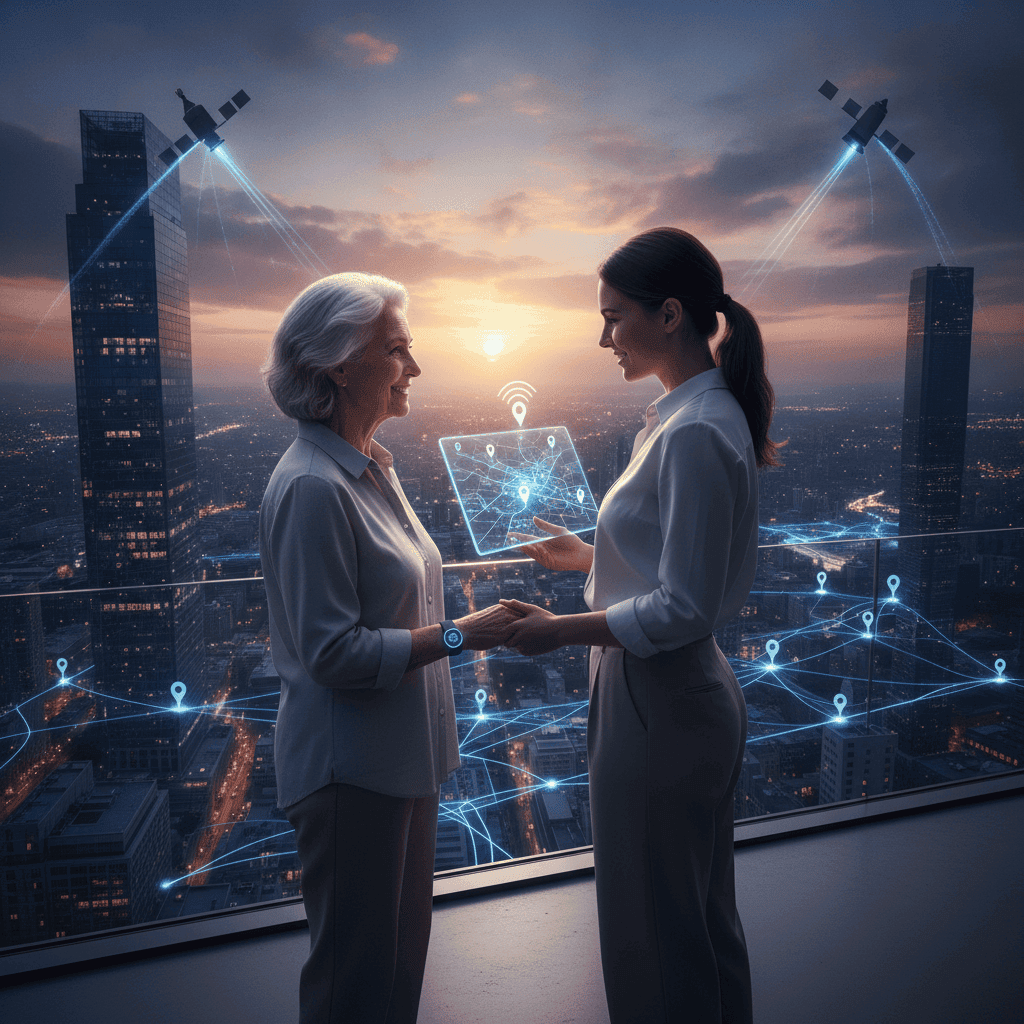
The quest for independence often defines a person’s later years. Many seniors wish to remain in their homes, enjoying familiar surroundings and routines. This desire for autonomy often comes with concerns about safety and immediate assistance, especially for family members. I have seen firsthand how technology steps in to bridge this gap, offering peace of mind to everyone involved.
Modern advancements in GPS technology are changing how we approach elder care. These tools are not about limiting freedom. Instead they provide a secure framework that empowers seniors to live more independently. They also give families a reliable way to check in. We are seeing a true revolution in elder care right now.
This is where new companies make a real difference, actively Solving Senior Safety Challenges with GPS Startups. These innovators focus on creating practical, user-friendly solutions that blend seamlessly into daily life. Their efforts mean seniors can pursue their passions with an added layer of protection. Families can worry less, knowing help is always close by.
The Evolving Landscape of Senior Care and Independence
Aging is a natural part of life and with it comes a desire for comfort and familiarity. Most seniors want to stay in their own homes for as long as possible. They cherish their routines and the memories tied to their living spaces. This preference creates a need for solutions that support independent living while addressing safety concerns.
Family members often carry a heavy weight of responsibility. They want to ensure their loved ones are safe, but they cannot always be physically present. This creates a natural tension between a senior’s desire for autonomy and a family’s need for assurance. I know many families struggle with this balance every single day.
Technology now offers a strong answer to these challenges. It provides tools that maintain dignity for seniors. It also gives practical reassurance to their caregivers. We are seeing a shift from traditional care models to more tech-enabled solutions that put the individual first. These new ways of thinking help everyone feel more secure.
This focus on aging in place means we must look at how technology can enable better living conditions. GPS devices are a key part of this new approach. They allow for discreet monitoring and quick response when needed. This helps seniors maintain their chosen lifestyle with greater safety.
Understanding GPS Technology for Senior Safety
GPS technology means much more than just finding directions on a map. For senior safety, it is a system that pinpoints a person’s location in real time. This can be critical during an emergency. The technology uses satellites to communicate with a small device. This device can be worn as a pendant or a watch. Sometimes it is built into a phone.
These systems work by sending location data to a monitoring center or designated family members. If a senior wanders or needs help, their exact position becomes known quickly. This cuts down on search times. It also helps emergency services reach the right spot faster. It means better outcomes in urgent situations.
Basic GPS systems offer simple tracking. More advanced solutions go much further. They include features that actively support daily safety and well-being. This difference is important when choosing a device. I always tell people to look for systems that fit their specific needs.
These tools are designed to be unintrusive. Seniors can wear them comfortably without feeling constantly watched. The goal is to provide a safety net, not to take away personal freedom. This balance makes GPS technology a valuable addition to senior care. It adds a layer of protection to everyday life.
Beyond Simple Location Tracking
Modern GPS devices do more than just tell you where someone is. Many now include geofencing. This lets families set virtual boundaries for their loved ones. If a senior steps outside a preset safe area, the system sends an alert. This feature is especially helpful for people with memory conditions.
Activity monitoring is another powerful tool. Some devices track movement patterns. They can detect unusual inactivity or changes in routine. If a senior stays home longer than usual or is not moving as expected, an alert can go out. This early warning system can signal a potential issue like a fall or illness.
These added layers of data give families a fuller picture of a senior’s well-being. They move beyond basic location. They give insights into behavior and daily habits. This helps caregivers respond proactively rather than reactively. It helps keep seniors safe without being too invasive. We see these features growing in popularity.
Key Features of Leading GPS Safety Devices
When I look at GPS safety devices for seniors, certain features stand out as essential. An emergency button is one of the most important. This button allows a senior to call for help with a single press. It connects them to family members or a professional monitoring service immediately. This simple feature can be a true lifesaver.
Fall detection is another game-changer. Many devices have sensors that can detect a sudden impact. They can tell if someone has fallen. The system then automatically sends an alert, even if the senior cannot press the button. This is crucial for situations where a person might be disoriented or unconscious after a fall.
Two-way voice communication is also very valuable. This feature turns the GPS device into a mini phone. Family or monitors can speak directly to the senior through the device. This allows for quick communication and reassurance. It lets help know exactly what is happening.
Other important aspects include long battery life. This ensures the device is always ready. A discreet design is also key. Seniors are more likely to wear a device that looks like a regular watch or pendant. These features combine to make GPS devices highly effective and practical. They offer strong safety without being a burden.
The Role of GPS Startups in Innovation
New companies are at the forefront of improving senior safety with technology. They are agile and quick to adapt. This allows them to bring fresh ideas to the market much faster than larger, older companies. These startups often focus on very specific needs within the senior community. They create solutions that are truly tailored to users.
Their innovation comes from a deep understanding of the challenges seniors and their families face. They are not just selling a product. They are offering a better way of life. This dedication leads to devices that are easier to use. They are also more effective and more integrated into daily routines. This is a big win for everyone.
I have seen many smaller companies come up with creative designs and new functionalities. They really listen to user feedback. This helps them refine their offerings constantly. This focus on the user means their products often fit better into real-world situations. It results in greater satisfaction and improved safety outcomes.
Their approach helps move the entire industry forward. Other companies see what these startups are doing and follow suit. This creates a healthy competition that benefits consumers. It means more choices and better features for senior safety technology. They are making a real difference in how we care for our elders. We can explore the solutions these companies are offering.
Meeting Unique Senior Needs
GPS startups are particularly good at addressing specific challenges. For individuals living with dementia or Alzheimer’s, wandering is a major concern. These companies develop wearable devices that combine accurate tracking with comfortable designs. They allow families to locate their loved ones quickly if they stray from home. This provides a crucial safety measure for those most vulnerable.
For active seniors who enjoy outdoor activities, GPS devices provide freedom with security. Whether hiking, cycling, or just walking in the park, these wearables offer a direct line to help. If an accident happens or they become disoriented, assistance is just a button press or an automatic alert away. This encourages seniors to stay active and engaged with life.
Some startups even focus on integrating GPS with other health monitoring tools. They combine location tracking with heart rate sensors or sleep pattern analysis. This creates a holistic view of a senior’s health and safety. These combined features offer deeper insights for caregivers. They allow for more informed decisions about care.
Real-World Impact and Success Stories
I have heard countless stories of how GPS devices have changed lives. One story involves an elderly gentleman with early-stage dementia. He often took long walks. One day, he became confused and could not find his way home. His family used his GPS tracker to locate him quickly. They brought him back safely before he faced any harm. This quick response prevented a much worse outcome.
Another example tells of a woman living alone. She fell in her kitchen and could not get up. Her GPS pendant had automatic fall detection. It sent an alert to the monitoring center. Help arrived within minutes. This allowed her to get medical attention fast. Without the device, she might have waited hours for someone to find her.
These devices also bring immense peace of mind to family members. Knowing they can locate a loved one or receive an alert if something goes wrong reduces stress. It allows them to lead their own lives while still providing strong support. This is a huge benefit for families stretched thin by caregiving duties.
For seniors themselves, these tools give them back a sense of control and independence. They know that if they need help, it is there. This confidence allows them to continue doing the things they love. It makes life feel safer and more manageable. GPS startups are truly delivering on their promise of enhanced safety.
Choosing the Right GPS Safety Solution
Selecting the ideal GPS safety solution involves careful thought. Families should consider the senior’s lifestyle and specific needs. For active individuals, a durable, waterproof wearable device might be best. For those prone to wandering, geofencing features are a must. I always advise people to list out their primary concerns first.
Look closely at the features offered. Does the device have an emergency button that is easy to press? Is there two-way voice communication for direct contact? Does it include automatic fall detection? These core functionalities are often what make the biggest difference in an emergency. The ease of use also plays a major role.
Reliability and customer support are also very important. A GPS device is only useful if it works when needed. Research the company’s track record and read reviews. Check what kind of technical support they offer. Knowing that help is available for technical issues adds another layer of confidence. This ensures the device remains effective over time.
Consider battery life and charging convenience. A device that constantly needs charging can be a hassle and might be forgotten. Look for models that offer long battery life and simple charging methods. This helps ensure continuous protection. It makes the device a dependable part of daily life.
Looking Ahead: The Future of Senior Safety Tech
The field of senior safety technology is evolving quickly. I see a future where GPS devices are even more integrated into our homes and lives. Imagine smart home systems that work with a senior’s wearable GPS. If a fall is detected, not only does it alert family, but it also turns on lights and unlocks doors for emergency services. This kind of integration will create a seamless safety environment.
Predictive analytics will also play a bigger role. Data from GPS devices could identify patterns. It might foresee potential risks before they happen. For example, a change in walking speed or a shift in daily routine could trigger a preventative check-in. This moves from reactive care to truly proactive safety. It will mean even greater peace of mind for everyone.
Wearable technology will also become more sophisticated and less noticeable. Devices will be lighter and more stylish. They will blend even better into everyday attire. This will encourage more seniors to wear them regularly. New sensor technologies will provide more accurate data. They will offer more comfortable monitoring. This will make them even more effective.
We are just at the beginning of these exciting changes. The combination of GPS, AI, and smart home technology promises a future where seniors can age with unprecedented levels of safety. These innovations will allow them to live independently longer. They will enjoy a higher quality of life. This will be a great benefit for families and communities alike.
Conclusion
I have observed how technology, particularly GPS startups, has made significant strides in addressing the safety concerns of our senior population. The desire for independence in later life is strong. These innovative companies are providing the tools needed to support that wish. They offer solutions that deliver both peace of mind and enhanced autonomy. We have explored the many ways these devices work, from simple location tracking to complex fall detection and two-way communication. We have also seen how new companies are driving this change with user-centric designs and tailored features.
The real-world stories of lives saved and anxieties eased demonstrate the profound impact of these technologies. They are not just gadgets. They are vital links that connect seniors to their support networks. They ensure quick help during critical moments. Choosing the right system involves considering individual needs and the reliability of the features offered. It is about finding a balance between protection and preserving freedom. The future promises even more advanced integrations, making senior safety technology an even more seamless and proactive part of daily life.
I believe these developments offer a hopeful outlook for aging in place. They represent a commitment to allowing seniors to live their lives fully and safely. I encourage everyone to learn more about these remarkable options. Consider how they might benefit your own family or those you care for. This is a field where technology truly serves humanity.